



Olive oil
Olea Europaea (Olive) Fruit Oil
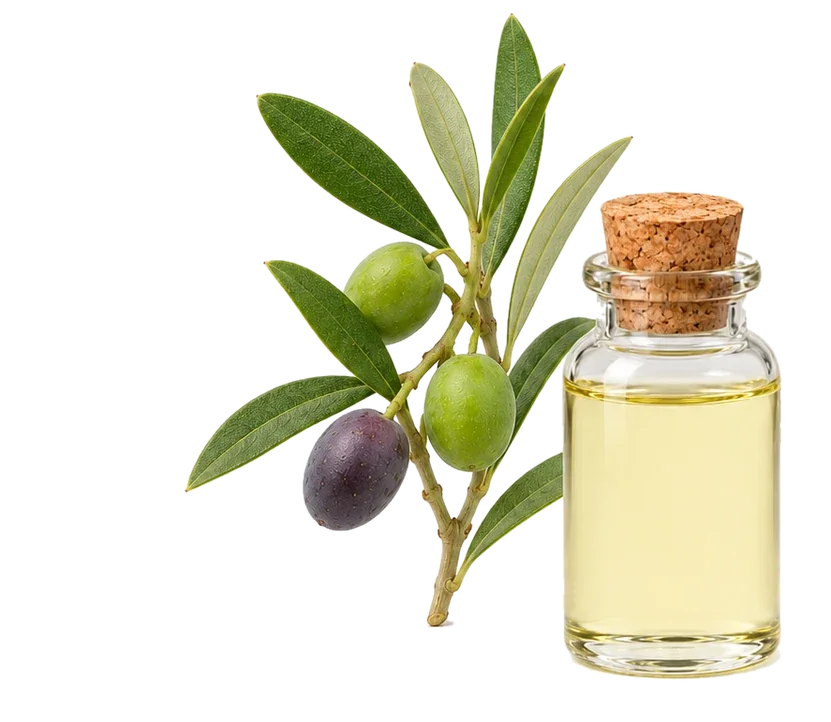
Olive oil is the oil from olives, mostly oleic acid, that cosmetics use as a skin conditioner and emollient
The short version
- Pressed from the fruit of the olive tree, Olea europaea
- About three-quarters oleic acid
- In a small trial, it raised skin water content as much as sacha inchi oil
- In another small trial, four weeks of twice-daily use reduced the outer skin layer's integrity
- A US expert panel found plant oils like it safe as used
The good
- In a 13-woman randomised trial, olive oil raised leg-skin hydration and improved visible dryness over 14 days.3
- The US CIR panel found olive oil safe as used within its plant-oil group review.1
The not so good
- In a small forearm study, twice-daily use reduced outer skin-layer integrity and caused mild redness after four weeks.4
- The hydration trial was tiny, short and reported no untreated comparison; its results were summarised through a review.3
The origin story
Olive oil comes from the fruit of the olive tree, Olea europaea.27
The fruit can be pressed to get the oil.78 In ancient Greece, olive oil was used as a base for perfumes.910 People wore scented oils on their bodies.810 Today, olive oil goes into skincare and cosmetics, too.27
What is olive oil?
Olive oil is the oil from the fruit of the olive tree, Olea europaea.2
On a label you'll see Olea Europaea (Olive) Fruit Oil, which the FDA's substance registry lists as another name for plain olive oil.5
It's mostly oleic acid, at 73 to 78%, with 10 to 12% palmitic acid and 7 to 9% linoleic acid; exact numbers shift with where the olives grew.3 Researchers have found more than 200 other compounds in it, including sterols, carotenoids and phenols, and the phenols are its main antioxidants.2 People have used it on skin and hair for a very long time.2
What does olive oil do for skin?
Olive oil, like most plant oils, is used in cosmetics as a skin conditioner and emollient.1
In a small randomised trial, olive oil was the comparison oil, and both it and sacha inchi oil improved visible dryness on the legs, and skin water content rose significantly with each.3
Here's the catch. A 2022 review concluded oils high in oleic acid and low in linoleic acid may add damage to the outer skin layer when skin is already inflamed, while unaffected skin may be fine with them. How often and how long you use them matters too.3
What the research says
Two small studies, two different takeaways.
Neither tested lips.3
Olive oil vs. sunflower oil on the skin barrierPediatric Dermatology, 2013 · 19 people
Two randomised forearm studies · 19 adults, with and without a history of atopic dermatitis · 6 drops twice daily for 4 to 5 weeks
Four weeks of olive oil significantly reduced the integrity of the outer skin layer and caused mild redness. Sunflower oil on the other arm didn't.
Limits Very small, adults only, forearms only, a few weeks.
Sacha inchi oil vs. olive oil for dry skinFrontiers in Pharmacology review, 2022 · 13 people
Randomised, double-blind · 13 women · 0.5 ml on the lower leg twice daily for 14 days
Skin water content rose significantly with both oils, visible dryness improved, and the two hydrated equally.
Limits Tiny and short, no untreated comparison reported, and read here only as summarised in a review table.
Is olive oil safe in skincare?
"The 244 plant-derived fatty acid oils are safe as used in cosmetics," concluded the Cosmetic Ingredient Review panel, which assessed 244 plant oils, olive among them.1
If any product with it irritates your skin, stop using it and check in with a dermatologist.
One thing for parents to know: a 2018 systematic review of skin care for healthy babies found evidence that using olive oil or sunflower oil on a baby's dry skin may adversely affect skin barrier function.6
Questions people ask
Is olive oil good for dry skin?
In a small 14-day trial, olive oil improved skin water content and visible dryness.3 Another small study found four weeks of twice-daily use significantly reduced the integrity of the outer skin layer on the forearm and caused mild redness.4
Is olive oil bad for your skin barrier?
In a small adult forearm study, four weeks of twice-daily olive oil reduced the integrity of the outer skin layer and caused mild redness.4 A 2022 review concluded oils high in oleic acid and low in linoleic acid may add damage to the outer skin layer when skin is already inflamed.3
Is olive oil safe in cosmetics?
The Cosmetic Ingredient Review panel concluded that 244 plant oils, olive oil included, are safe as used in cosmetics.1
Is Olea Europaea Fruit Oil the same as olive oil?
Find it in
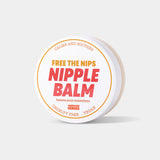
- free the nips nipple balm $17.90
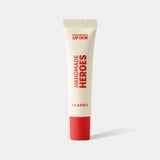
- hyaluronic lip dew - classic $14.90
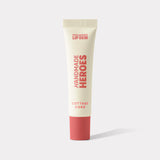
- hyaluronic lip dew - cottage core $14.90
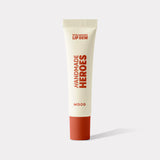
- hyaluronic lip dew - mood $14.90
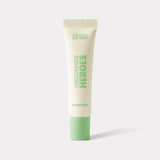
- hyaluronic lip dew - spirited $14.90
Related ingredients
Back to the listSources
Show all 10 sources
- Burnett CL, Fiume MM, Bergfeld WF, Belsito DV, Hill RA, Klaassen CD, Liebler D, Marks JG Jr, Shank RC, Slaga TJ, Snyder PW, Andersen FA. Safety Assessment of Plant-Derived Fatty Acid Oils. International Journal of Toxicology. 2017;36(3 Suppl):51S–129S. Open source
- Lin TK, Zhong L, Santiago JL. Anti-Inflammatory and Skin Barrier Repair Effects of Topical Application of Some Plant Oils. International Journal of Molecular Sciences. 2017;19(1):70. Open source
- Poljšak N, Kočevar Glavač N. Vegetable Butters and Oils as Therapeutically and Cosmetically Active Ingredients for Dermal Use: A Review of Clinical Studies. Frontiers in Pharmacology. 2022;13:868461. Open source
- Danby SG, AlEnezi T, Sultan A, Lavender T, Chittock J, Brown K, Cork MJ. Effect of olive and sunflower seed oil on the adult skin barrier: implications for neonatal skin care. Pediatric Dermatology. 2013;30(1):42–50. Open source
- National Center for Biotechnology Information. PubChem Substance Record: Olive oil, SID 472395358 (source: FDA Global Substance Registration System). Open source
- Cooke A, Bedwell C, Campbell M, McGowan L, Ersser SJ, Lavender T. Skin care for healthy babies at term: A systematic review of the evidence. Midwifery. 2018;56:29–43. Open source
- Abdalla S, Aroua MK, Gew LT. A Comprehensive Review of Plant-Based Cosmetic Oils (Virgin Coconut Oil, Olive Oil, Argan Oil, and Jojoba Oil): Chemical and Biological Properties and Their Cosmeceutical Applications. ACS Omega. 2024;9(44):44019–44032. doi:10.1021/acsomega.4c04277. Open source
- Thomas S, Sneed D. The Social and Economic Value of Oil in Ancient Greece. Department of Classics, University of Colorado Boulder. June 15, 2018. Open source
- Fappas I. Oils and Unguents in Hittite Anatolia and Mycenaean Greece: Integrating Linguistic and Archaeological Evidence. In: Merousis N, Nikolaidou M, Stefani L, editors. Myrrini: Studies in Aegean Prehistory, Honorary Volume for Aikaterini Papaefthymiou-Papanthimou. Archaeological Museum of Thessaloniki, publication 50. Thessaloniki; 2022:269–282. ISBN 978-960-9621-46-5. Open source
- Branham E. The Scent of Love: Ancient Perfumes. J. Paul Getty Museum, Getty News. May 1, 2012; subsequently updated, as noted on the page. Open source